
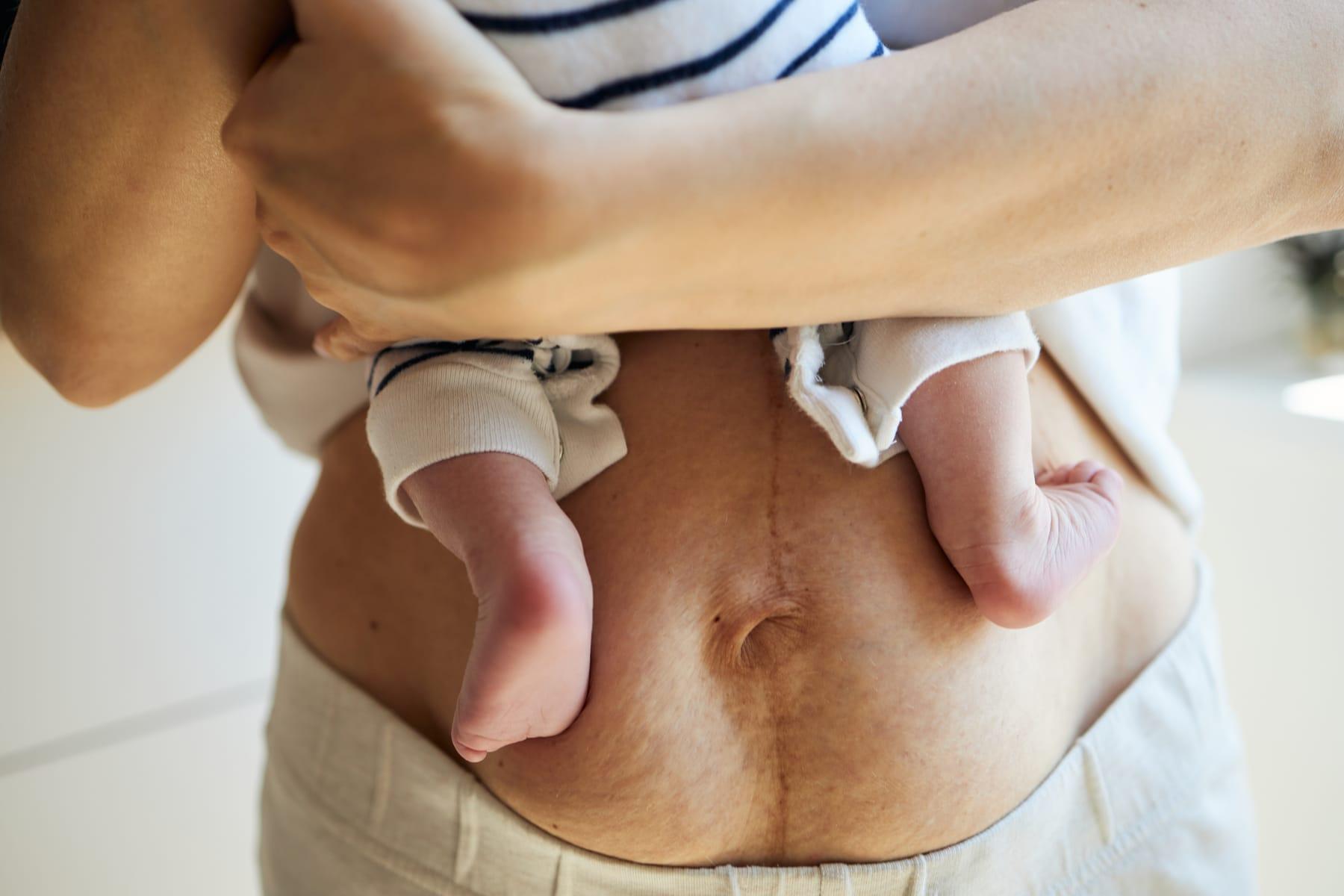
What postpartum recovery feels like after natural birth deserves a realistic, gentle conversation because postpartum recovery is not a side note to birth. The body is healing, the baby is learning, and the household is reorganizing around needs that repeat day and night. Even after an uncomplicated natural birth, recovery can feel tender, messy, emotional, and surprisingly demanding.
This article looks at normal physical and emotional recovery after an unmedicated or low-intervention birth. It is not a substitute for care from a midwife, physician, lactation professional, or mental health provider. It is a grounded guide for noticing what your body is asking for, setting up practical support, and treating early recovery as a season that deserves protection.
Natural birth still asks the body to recover
In the first days after a vaginal birth, recovery is shaped by the body and by the layout of daily life. The broader planning resources at preparing for birth with calm, realistic steps can help families think about recovery before birth, not after everyone is already exhausted.
For evidence-based context, Mayo Clinic’s postpartum recovery overview is a helpful place to compare this approach with current birth guidance.
The early days may include soreness, bleeding, afterpains, breast fullness, hunger, night sweats, and sudden tears, which can feel confusing when everyone is focused on the baby. Partners should read partner support during birth too, because postpartum support is not only emotional. It includes carrying, cleaning, managing visitors, watching warning signs, and protecting sleep in small pieces.
The first bathroom trips deserve planning, not bravery
The early days may include soreness, bleeding, afterpains, breast fullness, hunger, night sweats, and sudden tears, which can feel confusing when everyone is focused on the baby. If symptoms feel intense, persistent, or frightening, the safest step is to contact the care team promptly. Gentle recovery is not the same as handling everything alone.
Families can also review ACOG’s guidance on preparing for childbirth without pain medication before labor so preferences are informed rather than improvised.
A practical first step is eating easy protein-rich foods; it lowers friction before the parent is tired enough to ignore their own needs. Families who want more step-by-step education can explore more natural birth education and build a home plan that respects both the newborn and the person who gave birth.
How helpers turn plans into care for what postpartum recovery feels like after natural birth
Make the support visible by assigning this task to a specific person before birth: resting before soreness spikes. Postpartum plans fail when every helper assumes someone else is handling the basics. A written list on the fridge, a shared phone note, or a basket beside the bed can turn good intentions into actual recovery support. For questions about what is normal, review the common natural birth questions and contact your clinician when symptoms are concerning.
Afterpains can surprise even prepared parents
A practical first step is eating easy protein-rich foods; it lowers friction before the parent is tired enough to ignore their own needs. The broader planning resources at preparing for birth with calm, realistic steps can help families think about recovery before birth, not after everyone is already exhausted.
For a broader medical overview, ACOG’s recommendations on limiting unnecessary intervention during labor can help you understand what may be normal and what should be discussed with a clinician.
Another helpful rhythm is using the peri bottle every bathroom trip, especially when support people need concrete jobs instead of vague instructions. Partners should read partner support during birth too, because postpartum support is not only emotional. It includes carrying, cleaning, managing visitors, watching warning signs, and protecting sleep in small pieces.
Energy may arrive before tissues are ready
Another helpful rhythm is using the peri bottle every bathroom trip, especially when support people need concrete jobs instead of vague instructions. If symptoms feel intense, persistent, or frightening, the safest step is to contact the care team promptly. Gentle recovery is not the same as handling everything alone.
Many families struggle because they are expecting natural birth to mean instant physical bounce-back, even though the first days are meant to be protective and slow. Families who want more step-by-step education can explore more natural birth education and build a home plan that respects both the newborn and the person who gave birth.
Emotions often move with hormones and sleep loss
Many families struggle because they are expecting natural birth to mean instant physical bounce-back, even though the first days are meant to be protective and slow. The broader planning resources at preparing for birth with calm, realistic steps can help families think about recovery before birth, not after everyone is already exhausted.
Postpartum care becomes more peaceful when the home is arranged around healing instead of appearances. Partners should read partner support during birth too, because postpartum support is not only emotional. It includes carrying, cleaning, managing visitors, watching warning signs, and protecting sleep in small pieces.
The symptom note worth keeping for what postpartum recovery feels like after natural birth
Make the support visible by assigning this task to a specific person before birth: accepting help before exhaustion becomes severe. Postpartum plans fail when every helper assumes someone else is handling the basics. A written list on the fridge, a shared phone note, or a basket beside the bed can turn good intentions into actual recovery support. For questions about what is normal, review the common natural birth questions and contact your clinician when symptoms are concerning.
When recovery symptoms need medical attention
Postpartum care becomes more peaceful when the home is arranged around healing instead of appearances. If symptoms feel intense, persistent, or frightening, the safest step is to contact the care team promptly. Gentle recovery is not the same as handling everything alone.
In the first days after a vaginal birth, recovery is shaped by the body and by the layout of daily life. Families who want more step-by-step education can explore more natural birth education and build a home plan that respects both the newborn and the person who gave birth.
For more recovery-centered birth preparation, begin with Natural Birth Mom and save ask for personalized birth-prep support for moments when your family wants guidance that fits your apartment, support system, and birth place. The first weeks should not be measured by productivity; they should be measured by healing, safety, and connection.
The recovery boundary behind what postpartum recovery feels like after natural birth
Early recovery needs boundaries because the body is doing constant invisible work. Feeding, bleeding, healing, sweating, digesting, and sleeping in fragments are all part of the workload. Visitors, chores, errands, and social pressure should fit around that reality, not compete with it.
A helpful boundary can be simple: no visit without food, no stairs unless necessary, no hosting, no apologizing for naps, and no ignoring symptoms that worry you. The gentlest postpartum plan is often the most practical one.
A final planning note for what postpartum recovery feels like after natural birth
Choose one action from this article and assign it to a person, a place, and a time. A plan becomes useful when it is specific enough to happen while everyone is tired. Keep the standard kind, flexible, and honest.