

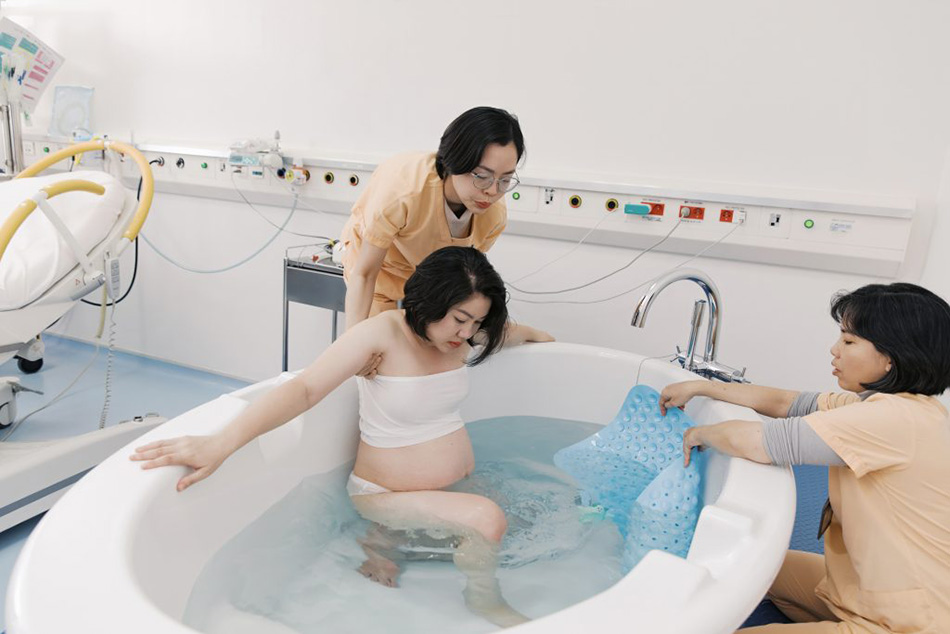
Why water can transform your labor experience is not about finding a magic trick that makes birth effortless. It is about understanding how the body, the room, the support team, and the mind can work together when contractions ask for more attention. For many parents planning a low-intervention birth, the most useful preparation is practical: know what tends to help, know what can change, and know how to keep making choices without shame.
Because labor is physical and emotional at the same time, warm water as a tool for relaxation, privacy, buoyancy, and muscle release can matter as much as any single item packed in a birth bag. A strong plan also leaves space for medical guidance, personal limits, and unexpected needs. The goal is never to endure pain silently; the goal is to stay supported, informed, and connected to your body while your care team keeps safety at the center.
Warm water changes the room before it changes the contraction
In a tub, shower, or warm-water setup approved by your care team, the most effective coping often starts by noticing the first body signal instead of waiting until the contraction is already at its peak. If the first attempt does not help after two or three contractions, that is not failure; it is information. Switch the angle, lower the lights, ask for counterpressure, sip water, or return to a position that lets your shoulders drop. The point is to keep the body from feeling trapped.
For evidence-based context, Evidence Based Birth’s waterbirth evidence summary is a helpful place to compare this approach with current birth guidance.
A natural labor plan becomes more useful when it is built around choices that can change quickly. This is where preparation from preparing for birth with calm, realistic steps becomes valuable, because practice gives you a menu before the room gets intense. It also helps your partner or doula offer one option at a time instead of overwhelming you with every technique at once.
Buoyancy gives tired muscles a short vacation
A natural labor plan becomes more useful when it is built around choices that can change quickly. For more structured comfort ideas, the guide to natural pain-management options can help you compare touch, heat, water, breath, movement, and rest as tools that may work at different stages of labor.
Families can also review ACOG’s guidance on preparing for childbirth without pain medication before labor so preferences are informed rather than improvised.
The body may communicate through tight belly muscles, aching back, tired legs, and the need for warmth around the body, and those sensations deserve curiosity rather than immediate judgment. A helpful question is, “What would make the next contraction one percent easier?” The answer might be movement, quiet, privacy, a different angle, or simply fewer people talking. Small improvements matter because labor is lived one wave at a time.
Making the room match the contraction for why water can transform your labor experience
Try this as a tiny rehearsal: during a practice contraction or Braxton Hicks wave, pair one physical action with one mental cue. For example, use using the tub during active labor if allowed while thinking, “soft jaw, heavy shoulders, slow exhale.” Rehearsal is not about controlling birth; it is about making comfort familiar enough that the body can find it faster when labor becomes demanding. You can collect more options through hands-on labor techniques without turning the plan into a rigid script.
A shower can be powerful even without a birth tub
The body may communicate through tight belly muscles, aching back, tired legs, and the need for warmth around the body, and those sensations deserve curiosity rather than immediate judgment. If the first attempt does not help after two or three contractions, that is not failure; it is information. Switch the angle, lower the lights, ask for counterpressure, sip water, or return to a position that lets your shoulders drop. The point is to keep the body from feeling trapped.
For a broader medical overview, ACOG’s recommendations on limiting unnecessary intervention during labor can help you understand what may be normal and what should be discussed with a clinician.
One practical way to make this title real is to rehearse the decision before labor: try keeping a towel, drink, and exit plan nearby and notice whether your breath softens. This is where preparation from preparing for birth with calm, realistic steps becomes valuable, because practice gives you a menu before the room gets intense. It also helps your partner or doula offer one option at a time instead of overwhelming you with every technique at once.
Water labor requires a practical safety conversation
One practical way to make this title real is to rehearse the decision before labor: try keeping a towel, drink, and exit plan nearby and notice whether your breath softens. For more structured comfort ideas, the guide to natural pain-management options can help you compare touch, heat, water, breath, movement, and rest as tools that may work at different stages of labor.
The mistake many parents make is assuming water is automatically available or safe for every situation; labor usually asks for a sequence, not a slogan. A helpful question is, “What would make the next contraction one percent easier?” The answer might be movement, quiet, privacy, a different angle, or simply fewer people talking. Small improvements matter because labor is lived one wave at a time.
Privacy is one of hydrotherapy’s hidden gifts
The mistake many parents make is assuming water is automatically available or safe for every situation; labor usually asks for a sequence, not a slogan. If the first attempt does not help after two or three contractions, that is not failure; it is information. Switch the angle, lower the lights, ask for counterpressure, sip water, or return to a position that lets your shoulders drop. The point is to keep the body from feeling trapped.
When intensity rises, alternating water with upright positions may work because it gives the body a clear task without demanding mental effort. This is where preparation from preparing for birth with calm, realistic steps becomes valuable, because practice gives you a menu before the room gets intense. It also helps your partner or doula offer one option at a time instead of overwhelming you with every technique at once.
A practice cue your partner can remember for why water can transform your labor experience
Try this as a tiny rehearsal: during a practice contraction or Braxton Hicks wave, pair one physical action with one mental cue. For example, use checking hospital policy before relying on a pool while thinking, “soft jaw, heavy shoulders, slow exhale.” Rehearsal is not about controlling birth; it is about making comfort familiar enough that the body can find it faster when labor becomes demanding. You can collect more options through hands-on labor techniques without turning the plan into a rigid script.
How to plan for water without becoming attached to it
When intensity rises, alternating water with upright positions may work because it gives the body a clear task without demanding mental effort. For more structured comfort ideas, the guide to natural pain-management options can help you compare touch, heat, water, breath, movement, and rest as tools that may work at different stages of labor.
In a tub, shower, or warm-water setup approved by your care team, the most effective coping often starts by noticing the first body signal instead of waiting until the contraction is already at its peak. A helpful question is, “What would make the next contraction one percent easier?” The answer might be movement, quiet, privacy, a different angle, or simply fewer people talking. Small improvements matter because labor is lived one wave at a time.
If you are building a complete birth plan, start with Natural Birth Mom for a grounded overview, then move into choosing a birth place that fits your needs so your coping preferences match the environment you are actually choosing. The best natural birth preparation is not perfection; it is a flexible relationship between your body, your support team, and evidence-informed choices.